
Product guidance
Optimizing OTP Workflows: The Role of Bulk Phone Number Validation
Learn why validating phone numbers before sending OTPs helps teams reduce SMS costs, improve CRM hygiene, and optimize user onboarding workflows.
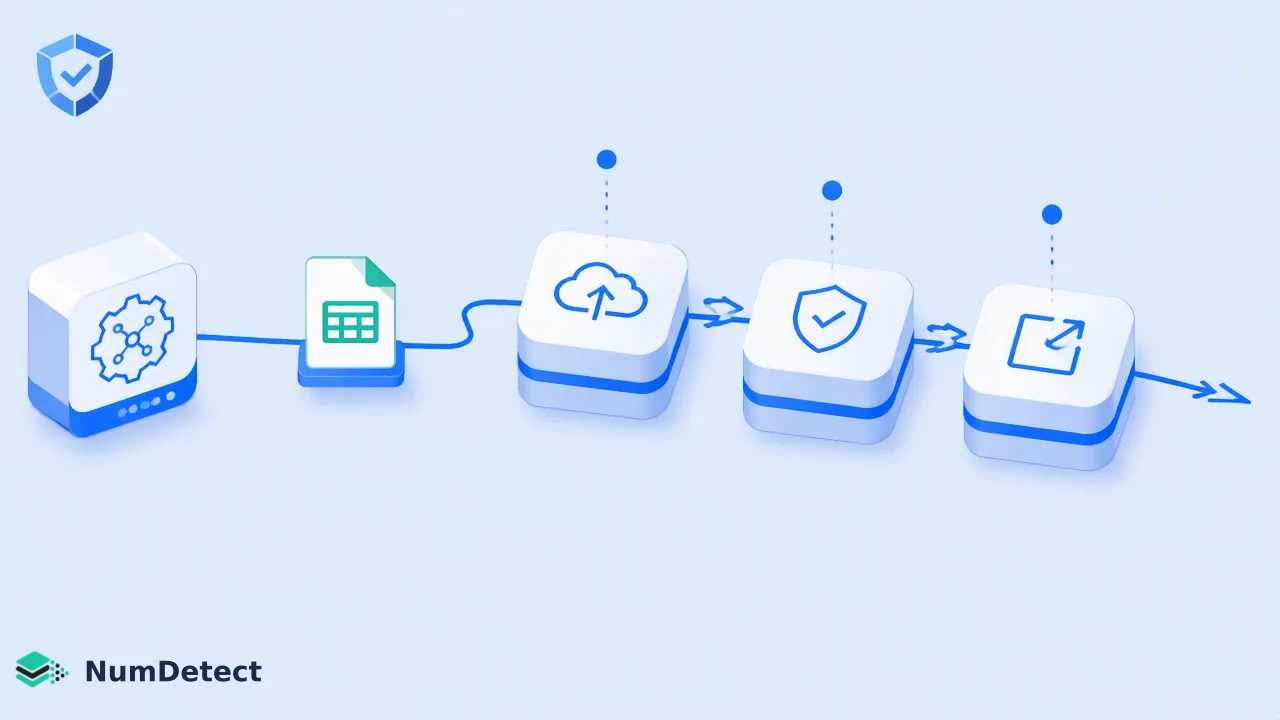
Validating phone numbers before sending OTPs helps organizations reduce SMS costs, improve CRM data hygiene, and optimize user onboarding workflows.
Validating phone numbers before triggering an OTP process helps organizations focus their messaging resources on reachable, valid numbers. By filtering out invalid entries, unassigned lines, or landlines at the entry point, teams can significantly reduce unnecessary SMS costs and minimize delivery failures. This preparatory step supports a more efficient user onboarding funnel by identifying problematic records before any communication is attempted. Rather than blindly sending one-time passwords to unvetted lists, organizations use bulk phone number validation to gather an activation signal. This insight helps teams review their contact data, maintain CRM hygiene, and prioritize outreach efforts, ultimately supporting a smoother and more cost-effective onboarding workflow.
The Challenge of Unverified Phone Lists
Managing user onboarding workflows often involves handling large volumes of contact data, which can quickly become outdated or inaccurate. Sending OTPs to invalid numbers, disconnected lines, or landlines incurs unnecessary costs that accumulate rapidly at scale. Furthermore, poor data quality directly impacts the success rate of onboarding attempts, as users cannot complete registration if the system attempts to route messages to unreachable destinations. Relying solely on the OTP step to determine if a number is active creates operational inefficiencies. Teams need a mechanism to assess the quality of their contact lists before initiating outreach. By identifying formatting errors and inactive lines early, organizations can refine their data sets, flag problematic records for internal review, and help direct their communication budgets toward valid, reachable contacts.
Validation vs. Verification: Understanding the Difference
When evaluating onboarding workflows, teams must understand the distinction between phone number validation vs otp verification. Phone number validation is a preparatory process that checks lists for validity and activation signals without actually sending a message or calling the user. It returns an activated signal to support list review and CRM hygiene, helping teams identify which numbers are structurally sound and currently active on a network. In contrast, OTP verification is a distinct, active process that confirms a user's possession of a device by requiring them to input a one-time code sent via SMS or voice. Validation informs the organization about the status of the number, while verification requires user interaction to prove access. Using validation as a preliminary step helps teams trigger the subsequent verification process only for numbers that have a high probability of being reachable, thereby optimizing the overall workflow and reducing unnecessary messaging attempts.
Operational Benefits of Bulk Pre-Validation
Implementing an asynchronous bulk validation step before launching campaigns or onboarding sequences offers substantial operational advantages. Bulk validation helps teams process large datasets efficiently, cleaning lists and identifying inactive records before any outreach begins. This proactive approach to data hygiene helps teams segment their audiences more effectively and prioritize resources for valid contacts. Additionally, gathering an activation signal through bulk processing supports internal review workflows, helping administrators flag suspicious or malformed entries for further investigation. Ultimately, integrating bulk pre-validation into the data management lifecycle supports a more streamlined, cost-effective operation, supporting efficient utilization of communication infrastructure and keeping onboarding funnels optimized for legitimate users.
Integrating Validation into Your Onboarding Workflow
Organizations can seamlessly integrate NumDetect into their data preparation processes using its asynchronous bulk workflow. Teams submit a TXT or CSV file containing one number per line, alongside one ISO country or region code, using the POST /api/v1/bulk-tasks endpoint. Each task accommodates 500 to 100,000 valid numbers, making it highly scalable for large CRM updates. Teams can then retrieve the processing status via the GET /api/v1/bulk-tasks/{id} endpoint. It is important to note that China mainland numbers are not supported by this bulk phone-number task workflow. Once the task completes, the resulting validation signals help teams flag records for review rather than blindly triggering OTPs. This asynchronous approach helps developers prepare lists without the latency constraints of real-time, single-number lookups. By incorporating these bulk insights into the backend architecture, organizations can systematically clean their data, prioritize active records, and support more efficient downstream communication workflows.
FAQ
Why should organizations validate numbers before sending an OTP?
Validating numbers before initiating an OTP process helps organizations filter out invalid entries, disconnected lines, and landlines. This preparatory step reduces unnecessary SMS costs and minimizes delivery failures. By gathering an activation signal beforehand, teams can flag problematic records for review, maintain better CRM data hygiene, and help focus messaging resources on valid contacts, which supports a more efficient onboarding workflow.
How does bulk validation differ from real-time verification?
Bulk validation is an asynchronous process designed to handle large lists of 500 to 100,000 numbers via file uploads, making it ideal for CRM cleaning and campaign preparation. It checks for activation signals without sending messages. Real-time verification, such as an OTP process, is a synchronous action that actively sends a code to a single number to confirm that a user currently possesses the device.